PlanetSTORY FILE
Heatstroke ruined his health. Years before, it took the life of another farm worker at the same company

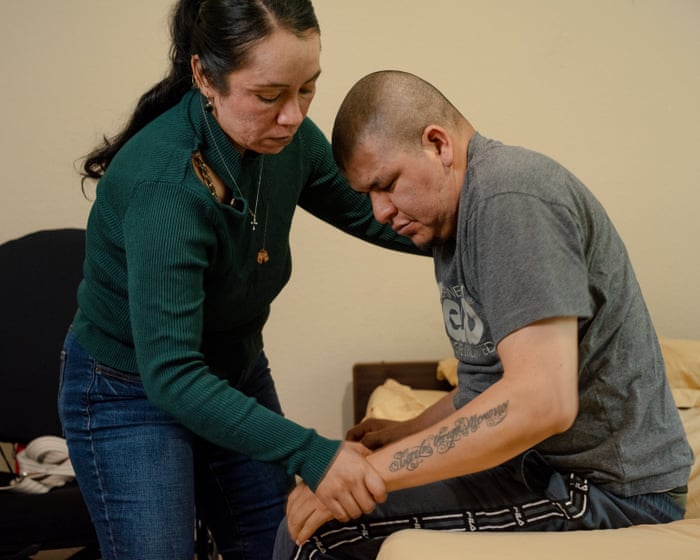
<p>A farm labor contractor exposed laborers on H-2A agricultural visas to heat-related health hazards, but is still bringing hundreds of migrant farm workers to North Carolina</p><p>It was 4pm and 90F (32C) when Carlos Vargas Moreno and other farm workers set out to weed a watermelon field in Goldsboro, <a href="https://www.theguardian.com/us-news/northcarolina">North Carolina</a>, on 19 July 2022.</p><p>The work day had begun at 7am and included two 15-minute breaks and a one-hour lunch eaten outdoors. The heat index – what the temperature feels like to the human body when relative humidity is combined with the air temperature – was 98.3F. It was the kind of day that a <a href="https://www.cdc.gov/niosh/heat-stress/communication-resources/app.html">heat safety app</a> created by the Occupational Safety and Health Administration (Osha) and the National Institute for Occupational Safety and Health (Niosh) defined as “hazardous” for outdoor workers.</p> <a href="https://www.theguardian.com/environment/ng-interactive/2026/oct/07/north-carolina-farm-workers-disability-health-heat">Continue reading...</a>
There’s more to the story.
You’re reading material shared in The Guardian’s RSS feed. Continue with the original publisher for the complete story.
Continue at The GuardianOriginal reporting remains with its publisher.Back to the edition